Logo

INSIDER KNOWLEDGE & STORIES

Your Ultimate Rinjani Journal

Master the mountain with expert advice, gear breakdowns, and inspiring stories from born-and-raised local guides who know every single stone of Rinjani.

STORIES FROM THE PEAK

Latest Mountain Insights

Unfiltered advice and deep-dive stories to prepare your mind and soul for Lombok’s crowning glory.

Hikers descending the Mount Rinjani crater rim path
Expedition Guide
August 25, 2026 • 5 min read

Torean vs Senaru Route: Which is Better for Beginners?

Choosing a Mount Rinjani trekking route for the first time often feels more nerve-wracking than the climb itself. You probably already know that Sembalun is the mandatory starting point for chasing the summit, but the big question arises when it's time to head back down to civilization...

Choosing a Mount Rinjani trekking route for the first time often feels more nerve-wracking than the climb itself. You probably already know that Sembalun is the mandatory starting point for chasing the summit, but the big question arises when it's time to head back down to civilization: should you take the legendary Senaru route, or the currently viral Torean trail with its Jurassic Park-like scenery? If you are a beginner hiker weighing your physical limits against the desire for the best photos, let's break down both trails realistically without the sugarcoating.

The Senaru Route: The Predictable Classic Trail

Senaru is the traditional route that has been safely used for decades. The main characteristic of this trail is its dense tropical rainforest. You will walk under the shade of a lush tree canopy, completely shielded from the scorching sun—a luxury you will deeply appreciate after the exhausting summit push.

The terrain in Senaru is much more predictable. The path is dominated by solid dirt and a network of tree roots that form natural staircases. For those not yet accustomed to reading wild terrains, the certainty of this path really helps in pacing your breath and footing. There are no steep cliffs that require crawling or scrambling. Even so, be prepared for a constant, long descent; your knees and toes will work overtime if you navigate this trail without proper trekking poles.

The Torean Route: Spectacular But Mentally Demanding

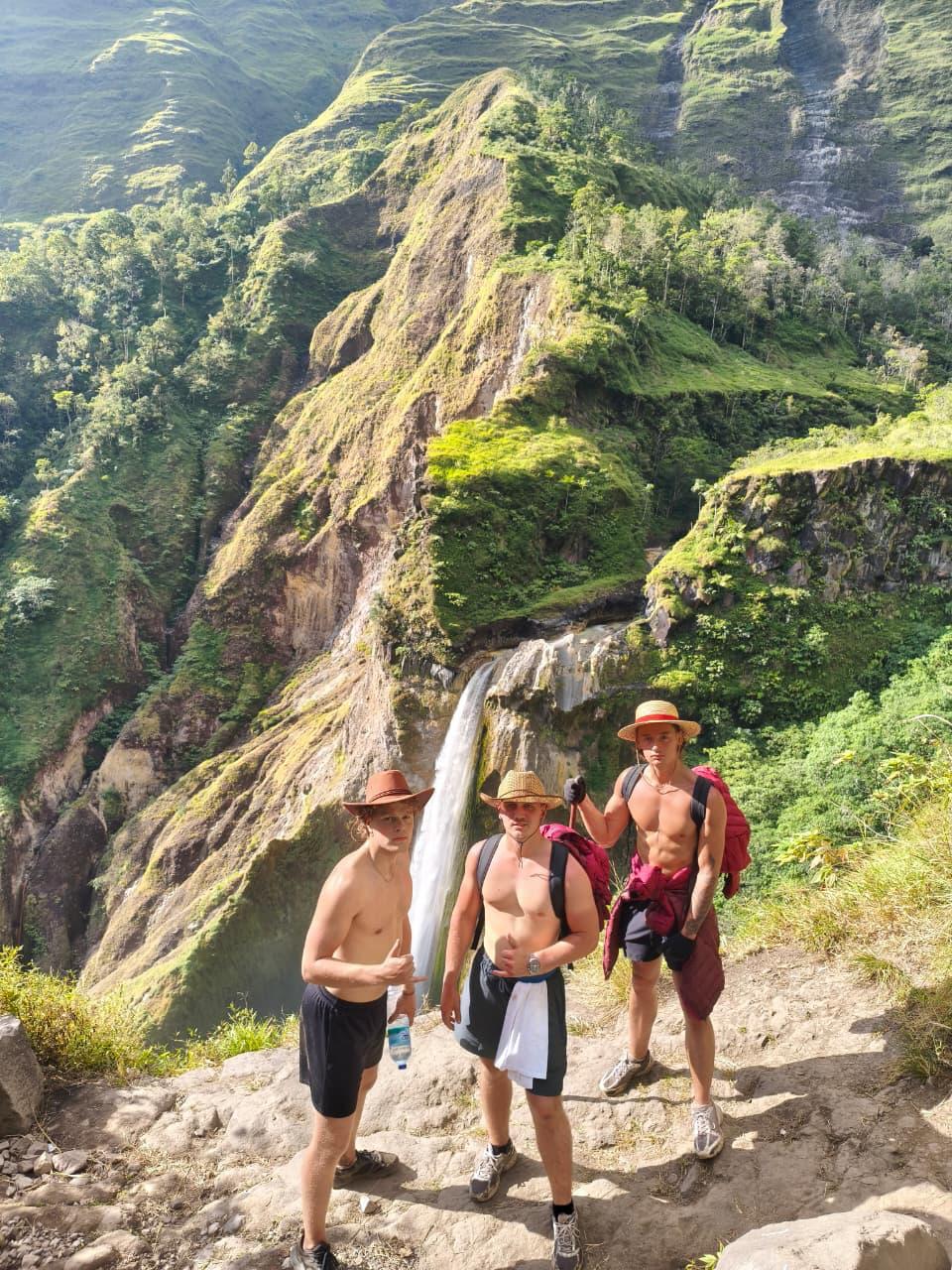
Torean is the new darling among hikers. Its green valleys sandwiched between towering cliffs, warm sulfur rivers, and the magnificent Penimbungan Waterfall make this route feel like stepping into a prehistoric world. Walking through Torean is an unmatched visual experience.

Beneath its beauty, however, Torean hides serious challenges for a beginner. The terrain is highly fluctuating—you will frequently face sharp ascents immediately followed by steep drops. The most demanding part is the nature of the trail itself; you will spend a lot of time hugging narrow cliff walls with a gaping abyss on one side. You need extra body balance, high-level caution, and mental composure, especially when fog rolls in or rain turns the clay and rocks incredibly slippery. This is not a trail where you can casually stroll and chat.

Which One is Better for You?

If this is your first major mountain climb, or if you aren't completely confident in your body's balance on the edge of a ravine, Senaru is the absolute winner. The safety and regularity of its terrain will give you a calmer and more enjoyable trekking experience, without being overshadowed by anxiety. You will still get extraordinary visual satisfaction from the Segara Anak Lake area before finally entering the tranquility of the Senaru forest.

You should save Torean for your second climb. This cliffside route demands mature reflex responses and mental endurance that are usually only built after you are accustomed to the harsh rhythms of the wilderness. Don't let viral photos force an ambition that sacrifices your safety and the comfort of your first steps on a mountain as beautiful as Rinjani.

Preparing your physical fitness well in advance is the main key to ensuring you can still smile in your summit photos, regardless of which route you eventually take. Based on the terrain breakdown above, are you planning to take a 3-day, 2-night package to try the Senaru route, or are you more interested in planning a longer, more relaxed trek?
Share:
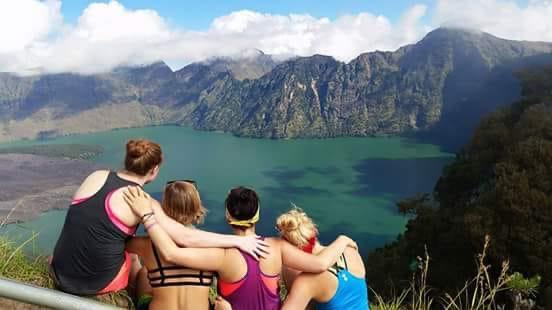
Mount Rinjani hiker taking a break near Segara Anak lake
Preparation
August 20, 2026 • 6 min read

Ultimate Packing List for Rinjani: What You Actually Need

You’ve booked your ticket, trained for months, and now you’re staring at an empty backpack with rising panic. Overpacking is the most common rookie mistake on Mount Rinjani, often resulting in unnecessary exhaustion before you even reach the crater rim...

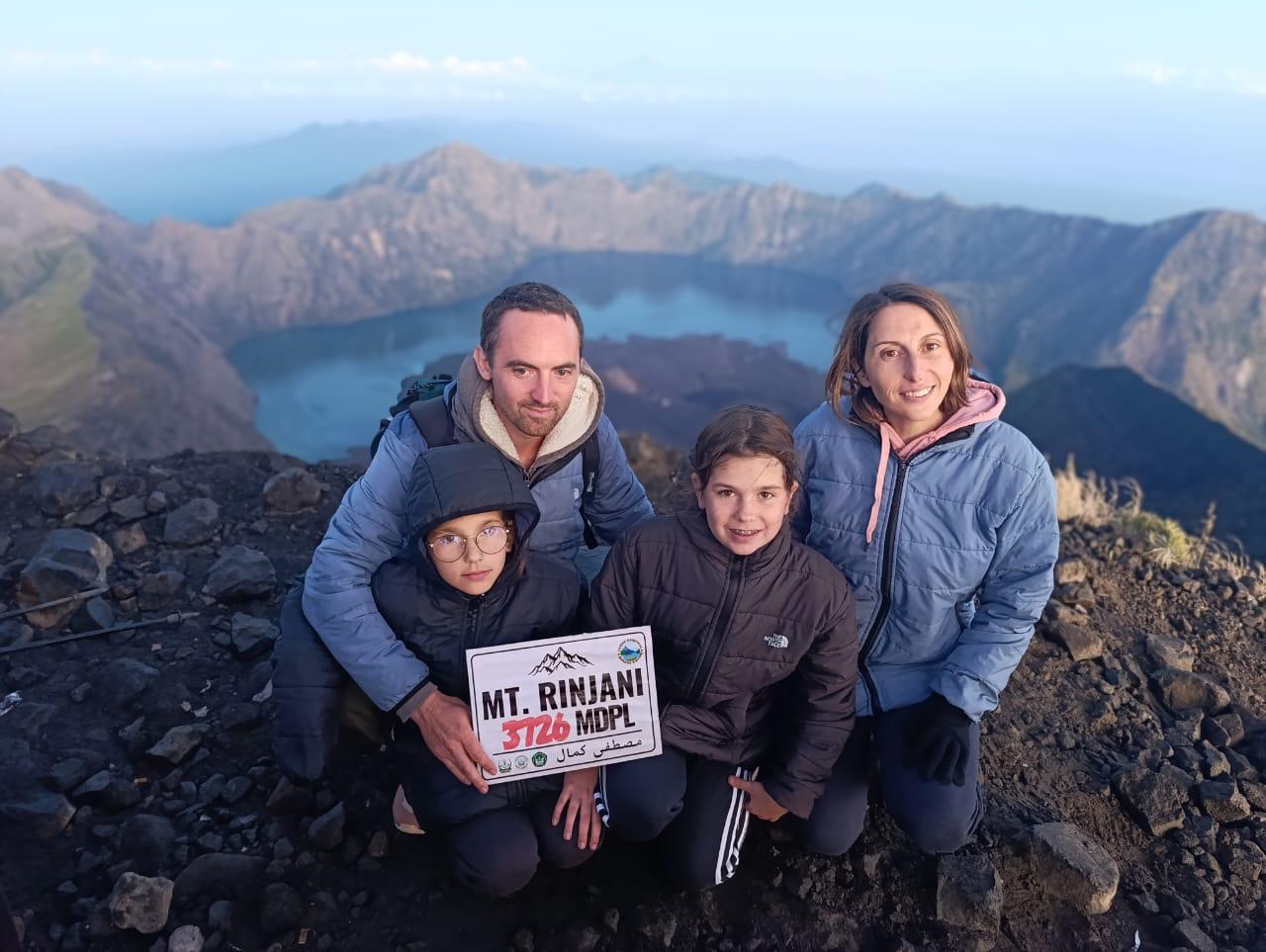
You’ve booked your ticket, trained for months, and now you’re staring at an empty backpack with rising panic. Overpacking is the most common rookie mistake on Mount Rinjani, often resulting in unnecessary exhaustion before you even reach the crater rim. You might think you need three pairs of pants and a massive winter coat to survive the elements, but let's cut the fluff. If you want to save your energy and enjoy the climb at 3,726 meters, we need to talk about what goes into your bag and what stays home.

Mastering the Layering System

First, understand that your porter will carry the heavy camping gear, tents, and main food supplies. You only need to carry your personal daypack, which should ideally weigh no more than five to seven kilograms. The golden rule for mountain clothing is layering. Instead of bringing one heavy, bulky jacket that takes up half your bag and makes you sweat profusely during the day, bring a high-quality windbreaker, a lightweight fleece, and breathable thermal base layers.

The temperature drops drastically during the 2 AM summit push, often hovering near freezing with biting winds. Layering allows you to adjust to your body heat dynamically as you climb. You can start with all layers on, and as your heart rate increases and your body warms up on the steep incline, you simply peel off the fleece or windbreaker and pack it away without breaking your momentum.

Footwear: The Make or Break Factor

Next, let's talk about the most critical gear you will wear: your footwear. Leave your brand-new, straight-out-of-the-box hiking boots at home unless you want agonizing blisters by the end of day two. The Rinjani terrain is unforgiving, ranging from slippery roots to deep volcanic ash. You need boots that you have already thoroughly broken in, ideally with good ankle support to prevent sprains on the uneven descents.

In addition to your main hiking boots, do not forget to pack a pair of lightweight trekking sandals or comfortable slip-ons. Your feet will absolutely beg to breathe after a grueling ten-hour trek. You will be incredibly grateful for these when you are navigating the rocky paths around the campsite, walking to the toilet tent at night, or carefully stepping into the natural hot springs near the lake.

Nutrition and Smart Packing

Do not rely solely on the provided meals for your immediate energy needs. While our team cooks excellent, hearty food for breakfast, lunch, and dinner, you need instant sugar hits for those steep, physically draining climbs. Bring your favorite energy bars, trail mix, or chocolate. Keep them easily accessible in your jacket or hip-belt pocket so you can grab a quick bite without having to stop and unpack your bag.

Remember, every extra gram feels like a kilogram when you are hiking at a high altitude. Be ruthless with your packing list. Skip the heavy electronics, the extra changes of "just in case" clothes, and the full-sized toiletries. Stick to the absolute essentials, pack light, and trust that the mountain will provide the rest of the experience.

Organizing your gear properly is a crucial step in ensuring your comfort and success on the mountain. Based on this packing strategy, are you feeling confident about assembling your daypack, or do you need to check our About Us section to see what gear our porters provide?

Share:
Clear weather sunrise at Mount Rinjani summit
Weather & Seasons
August 15, 2026 • 5 min read

The Best Time to Climb Mount Rinjani: Avoiding Crowds and Rain

Timing is everything when it comes to conquering a massive volcano like Mount Rinjani. Booking a trek in the wrong month can mean slipping on treacherous muddy trails, freezing in zero-visibility fog, or completely missing out on that iconic sunrise summit photo...

Timing is everything when it comes to conquering a massive volcano like Mount Rinjani. Booking a trek in the wrong month can mean slipping on treacherous muddy trails, freezing in zero-visibility fog, or completely missing out on that iconic sunrise summit photo you traveled so far to get. With the mountain experiencing distinct weather patterns throughout the year, choosing your window carefully is crucial. Let's break down the seasonal variations so you can match your trekking goals with the reality of Lombok's climate.

The Post-Monsoon Greenery: April and May

The Mount Rinjani National Park officially reopens for trekking in April after a three-month mandatory closure. If you are a photographer or someone who loves lush, vibrant green landscapes, April and May are spectacular months to visit. The recent rainy season has just finished washing the mountain, making the savanna grass incredibly vibrant and the waterfalls flow with immense power. The air is generally very clean and free of dust.

The catch to this beautiful scenery is the lingering moisture. During these transition months, you might still encounter occasional afternoon showers or sudden cloud cover that rolls in quickly. The trails, especially on the Senaru descent, can be quite slippery due to the damp soil and wet roots. You will need to bring reliable waterproof gear and accept that the weather can be slightly unpredictable, though rarely severe enough to stop a climb.

The Peak Dry Season: July and August

The peak climbing season hits full swing during July and August. This is when the weather is at its absolute best for high-altitude trekking—dry, crisp, and clear skies are almost guaranteed every single day. The paths are solid, the risk of rain is minimal, and the views from the summit stretching all the way to Bali and Sumbawa are largely unobstructed by clouds.

However, this perfect weather comes with a significant trade-off: the crowds. This period aligns with European and North American summer holidays, meaning the trails and campsites are heavily congested. You will be sharing the mountain with hundreds of other hikers, which can slow down your pace on narrow paths and make finding a quiet, secluded camping spot near the crater rim quite challenging.

Finding the Perfect Balance

If you want the perfect combination of great weather, dry trails, and a significantly quieter mountain experience, aim for late September or October. The massive summer crowds have mostly gone home, leaving the mountain feeling wild and remote again. The weather remains mostly dry, though the landscape will look more arid and brown compared to the lushness of May.

One crucial detail to remember is that Rinjani is strictly closed to all climbing activity from January to March. This closure is heavily enforced by the authorities (you can verify updates on the National Park's official site) due to extreme monsoon weather, which brings dangerous winds, flooding, and landslides, and also to allow the mountain's delicate ecosystem to naturally recover without human interference.

Planning your trip around the right season will ultimately dictate the kind of memories you bring home from Indonesia. Looking at these distinct weather windows, are you leaning toward the lush, quiet trails of April, or the guaranteed clear skies of the busy August peak season?

Share:
Mount Rinjani trekking trail under clear sky and dry savanna landscape
Safety Advisory
September 23, 2026 • 4 min read

Mount Rinjani Fire Safety Advisory: Stampol Peak Update & Prevention Guide

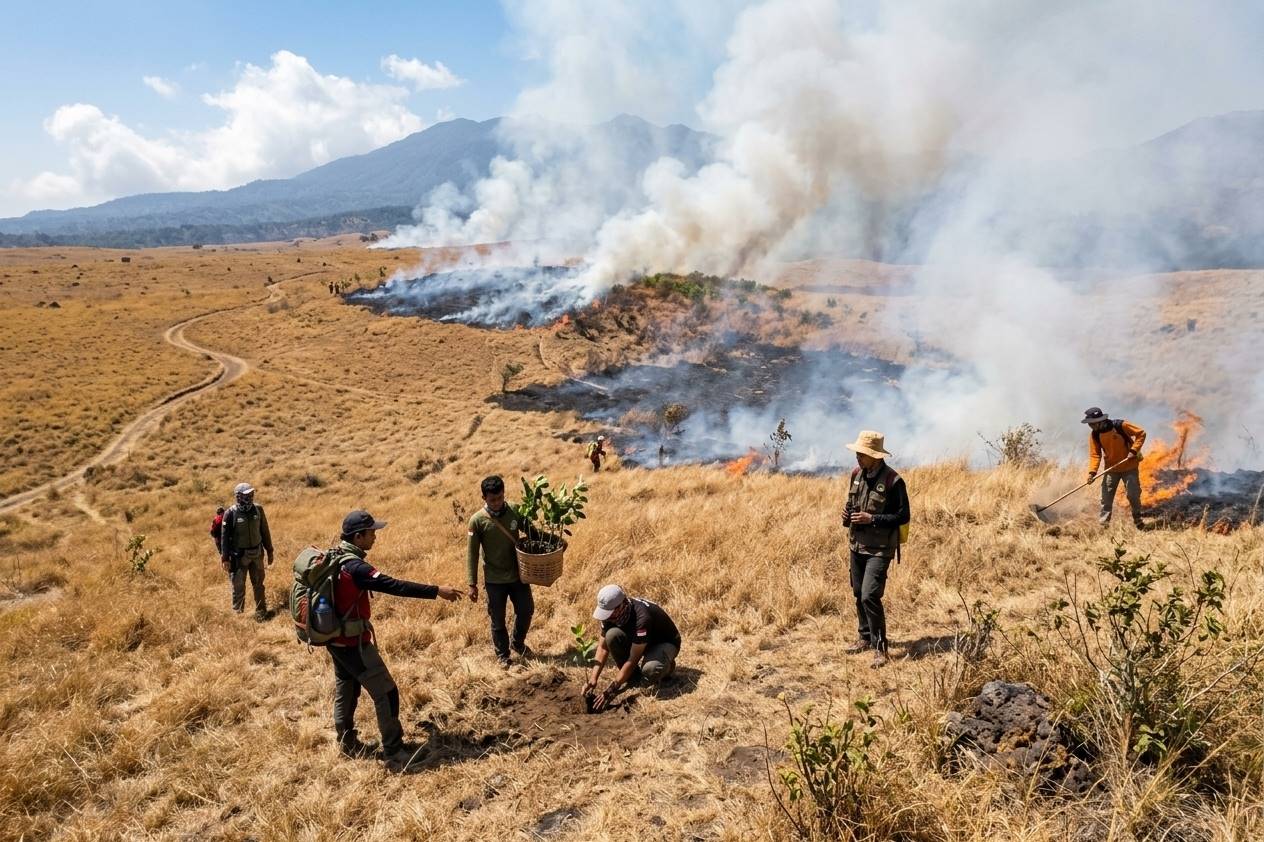
Following official reports regarding a localized wildfire around Stampol Peak, Rinjani Wonderfull confirms that main trekking routes remain safe and open. Read our official update, essential fire prevention guidelines, and emergency protocols for all trekkers during the dry season...

At Rinjani Wonderfull, the safety of our guests and the preservation of Mount Rinjani’s natural ecosystem are our highest priorities. As part of our commitment to transparent communication, we provide this official update and fire safety guide for all local and international hikers.

1. Official Update: Stampol Peak Wildfire Incident

On Tuesday evening, September 22, 2026, a wildfire was reported in the vicinity of Stampol Peak (Torean Resort area, Mount Rinjani National Park / TNGR).

Key Highlights from TNGR Official Confirmation:

  • Main Routes Are Safe: The wildfire was located on Stampol Ridge, well outside the primary trekking trails (Senaru, Sembalun, Torean, and Timbanuh).
  • Active Suppression: Joint firefighting units from Manggala Agni and the Fire Care Community (MPA) were immediately deployed to handle the site.
  • Trips Operating Normally: All Rinjani Wonderfull trekking packages continue as scheduled under active monitoring from our team and local park rangers.

2. Fire Prevention Rules for Trekkers (Dry Season)

During dry months, the savanna and forest vegetation on Rinjani become highly flammable. All hikers—both local and international—must adhere strictly to the following rules:

  • No Campfires (*Strictly Prohibited*): Open campfires are extremely dangerous due to strong mountain winds that can carry embers onto dry grass.
  • Cigarette Butt Management: Never throw lit cigarette butts on the trail or in campsite vegetation. Always extinguish butts completely using water or damp soil and store them in a personal pocket pouch.
  • Cooking Safety: Always set up portable camp stoves in wind-sheltered areas away from dry brush. Never leave a burning stove unattended.
  • Leave No Trace: Clean up all glass bottles or reflective materials. Direct sunlight hitting glass can act as a magnifying lens and ignite dry grass.

3. Emergency Steps: What to Do If You Spot Fire or Smoke

If you encounter smoke or wild flame while on the mountain, follow these safety steps immediately:

  1. Stay Calm & Check Wind Direction: Observe where the wind is blowing. Never hike toward the direction of oncoming smoke or flames.
  2. Move Upwind & Away from Valleys: Move to an open area upwind of the fire. Avoid narrow ravines or dense dry brush where fire spreads rapidly.
  3. Inform Your Head Guide: If you are trekking with Rinjani Wonderfull, inform your guide immediately. Our guides are trained in emergency communication and will coordinate directly with TNGR park rangers.

Responsible trekking helps keep Mount Rinjani pristine and safe for everyone. If you have any questions regarding current trail conditions or wish to plan your next climb safely, explore our trekking packages or contact the Rinjani Wonderfull support team directly.

Share:

EXPERT SURVIVAL GUIDE

Top 3 Golden Rules for Rinjani

Written by born-and-raised local guides. Follow these rules to guarantee your safety, comfort, and ultimate climbing triumph.

01

Master the Layering System

Rinjani temperatures swing wildly. You will sweat profusely under the 30°C tropical sun during the day, but temperatures drop near freezing (0°C to 5°C) at the summit and crater rims.

Pro Tip: Always pack a windproof jacket, thermal base layers, and a beanie. Let our porters carry your heavy gear!

Get Full Packing Checklist
02

Hydration & Electrolyte Strategy

Altitude sickness and exhaustion on Rinjani are often just severe dehydration in disguise. When climbing steep volcanic scree, your body loses fluids rapidly through heavy breathing.

Pro Tip: Drink at least 3 to 4 liters of water daily. Our packages include unlimited mineral water and hot ginger tea!

Inquire About Inclusions
03

Book Direct with Local Experts

Many third-party booking agents tack on massive commissions and outsource your climb to unverified freelancers, leading to poor gear, unsafe guide ratios, and poor meals.

Pro Tip: Always book direct with 100% local, certified agencies like Rinjani Wonderfull to guarantee premium gear!

Book Direct & Save

Ready to Write Your Own Rinjani Story?

Stop dreaming about the summit. Let our seasoned local experts handle every single detail while you focus on the adventure of a lifetime.